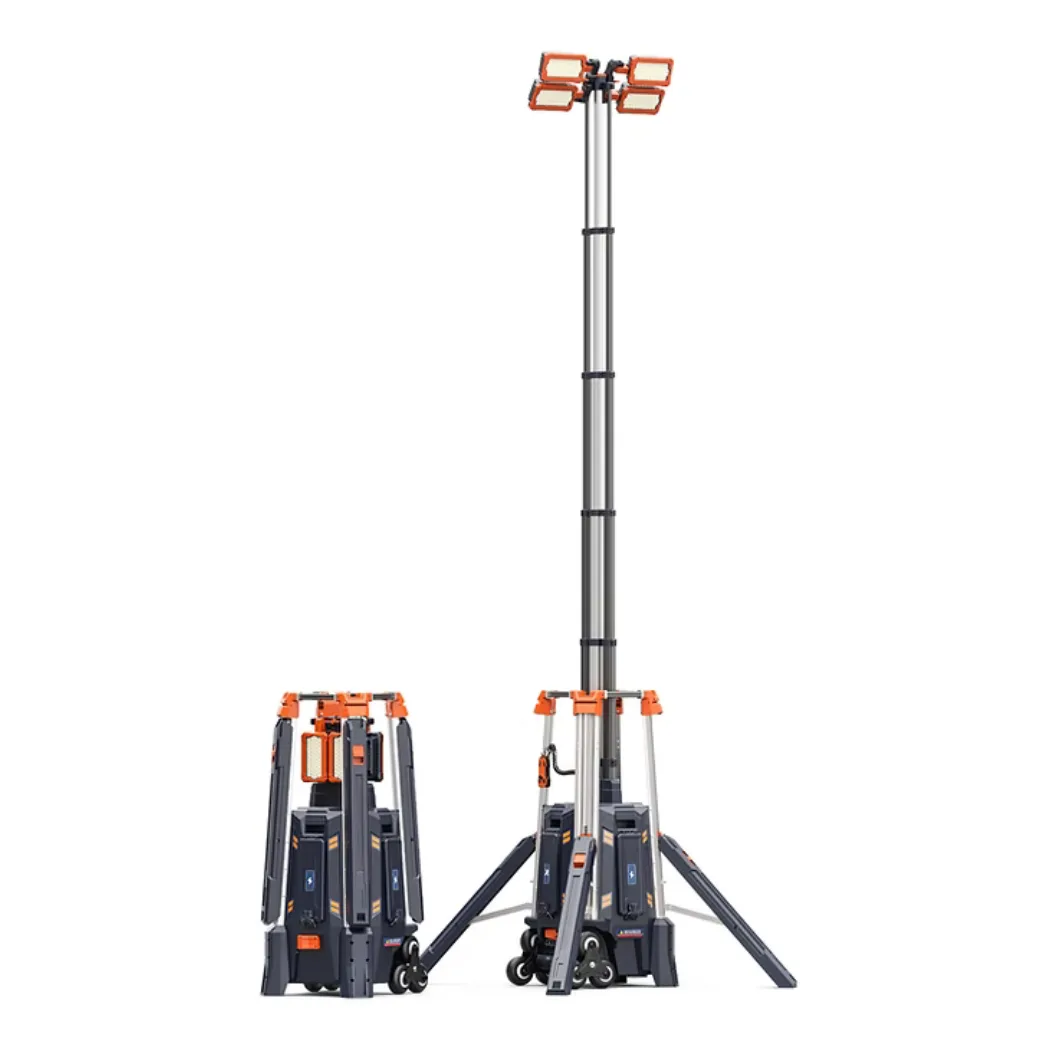
Start with the task, not the machine
Cable pulling, M&E inspection, commissioning, loading, forklift movement, gate control, and shutdown maintenance each need different light direction, runtime, and placement.
Support low-noise, no-fume temporary lighting for data centre construction, M&E work, cable routing, loading bays, commissioning areas, factories, warehouses, and semi-indoor work zones.
Clean worksites value battery lighting because it reduces noise and fumes in areas where diesel engines may be inconvenient or unacceptable.
For data centres, factories, warehouses, and urban construction areas, battery tower lights make sense when temporary lighting must work close to people, covered areas, loading activity, client-controlled spaces, or noise-sensitive boundaries.
Cable pulling, M&E inspection, commissioning, loading, forklift movement, gate control, and shutdown maintenance each need different light direction, runtime, and placement.
Battery units are strongest in clean, semi-indoor, covered, or noise-sensitive areas. Diesel can remain outside for large yards, long access roads, or overnight perimeter lighting.
Before quoting, confirm delivery route, loading bay access, work permit timing, charging access, indoor or covered condition, client restrictions, and whether fuel handling is limited.
Temporary lighting should not create glare, blind forklift operators, block emergency paths, obstruct cable routes, or sit where rainwater, uneven ground, or vehicle movement creates risk.
Battery tower lights are not only for events. They can fill practical gaps when a site needs temporary light without the noise and fumes of engine-driven units.
Support night work around cable trays, risers, plant rooms, and temporary routing paths.
Light unloading, staging, forklift movement, material checking, and night deliveries.
Support temporary works where cleaner lighting and quieter operation are preferred.
Light selected movement zones, gates, checkpoints, and pedestrian crossing points.
Support shutdown work, covered loading areas, temporary aisles, and repair zones.
Use battery lighting near residential, hotels, hospitals, malls, or active buildings.
Use these samples to structure the quote discussion. Final planning depends on the work zone, lux expectation, access, runtime, charging, and site safety rules.
For a defined indoor, covered, or semi-outdoor work area where quiet temporary lighting matters.
For multiple work points such as loading bay, material staging, temporary access, and gate or checkpoint areas.
Use battery for clean or noise-sensitive zones, then diesel for wider external roads, outer yards, or long overnight security lighting.
These scenarios help contractors decide whether battery, diesel, or a mixed layout is the right conversation before mobilising equipment.
Use battery units for short controlled night works where teams need light without engine noise or exhaust fumes close to the work face.
Use battery lighting near covered loading bays or active buildings, then consider diesel outside for wider truck routes and large yards.
Battery units can reduce nuisance near occupied properties while still giving contractors temporary light for controlled work areas.
Battery is best for sensitive zones. Diesel remains the workhorse for wide outdoor lighting and long runtime.
Worksite lighting needs more context than a simple event enquiry. Share the operating conditions before choosing battery or diesel.
These references support the planning mindset: workplace lighting, construction night work, noise and dust exposure, and site safety performance.
They are references for discussion only and do not replace project specifications, Malaysian legal duties, client site rules, safety officer review, or engineer approval.Quick answers for contractors and site teams comparing battery and diesel temporary lighting.
Sometimes, but not always. Battery works best for clean, lower-noise, controlled zones. Diesel is still practical for wide outdoor coverage, remote work, and long continuous runtime.
It can be suitable for M&E, cable routing, loading bays, commissioning areas, temporary access, and semi-indoor zones where noise or fumes are concerns.
Send project location, photos or layout, work zone type, usage hours, charging access, required dates, and any site restrictions on noise, fumes, or fuel handling.
Send site photos, work zone details, runtime, and access information. Kyusen will help compare battery, diesel, or mixed tower light options.