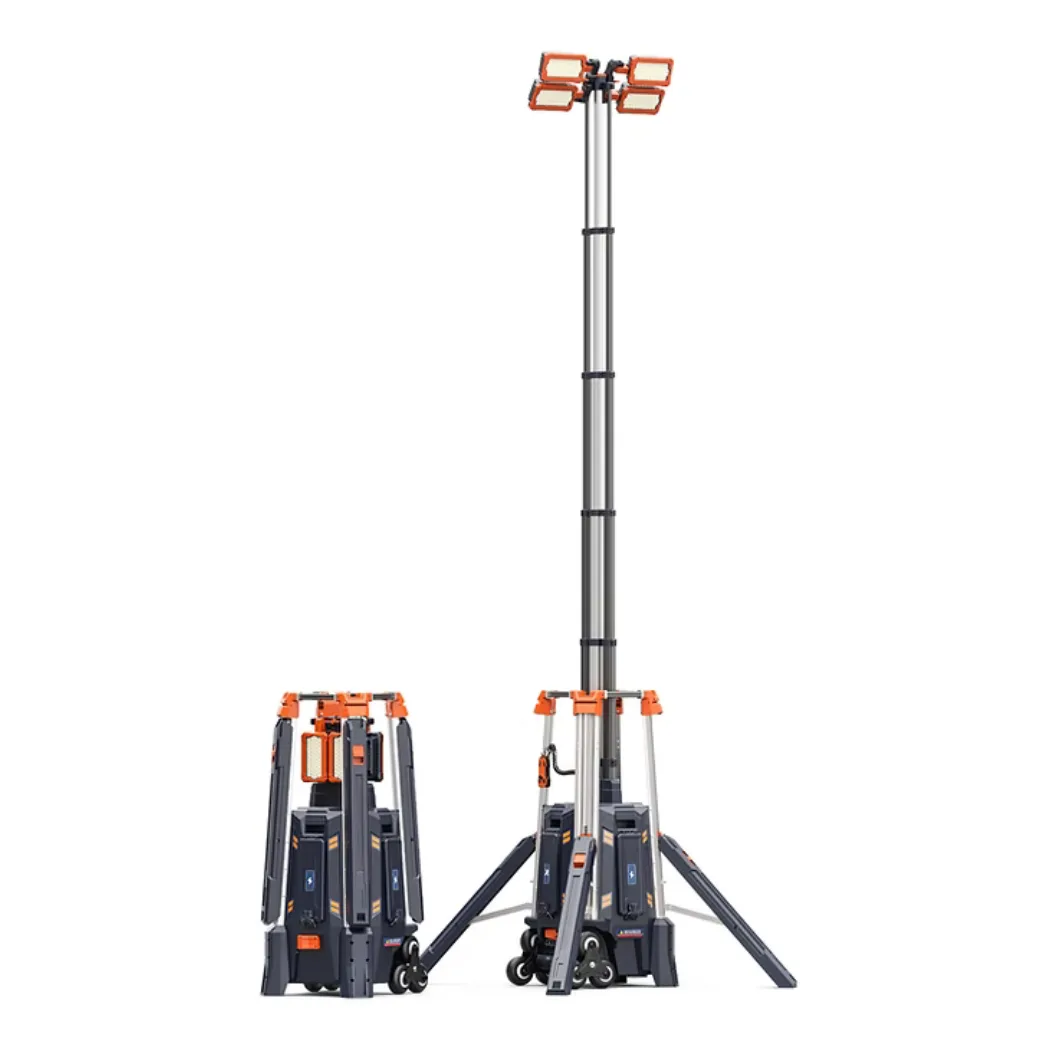
Map public zones before choosing quantity
Mark entry, exit, ticketing, food, booths, toilets, prayer or rest areas, parking, stage edges, and dark pedestrian paths before estimating tower light quantity.
Use low-noise, no-fume temporary lighting around people, food, booths, walkways, toilets, parking, and teardown zones where diesel generators can disturb the event experience.
For events, battery tower lights are valuable because the lighting sits close to guests, vendors, food, queues, and public movement areas.
Outdoor event lighting is not only about brightness. A professional layout helps guests move, vendors operate, toilets and exits remain visible, security teams monitor dark edges, and teardown crews work after the public leaves.
Mark entry, exit, ticketing, food, booths, toilets, prayer or rest areas, parking, stage edges, and dark pedestrian paths before estimating tower light quantity.
Battery tower lights make the most sense beside guests, food, vendors, queues, photo areas, residential boundaries, and temporary structures where engine noise or diesel smell can affect the experience.
Lighting should not block emergency access, vendor restocking, waste collection, security movement, or vehicle loading. Placement must work during both event hours and teardown.
Outdoor lighting placement should consider rain, wind exposure, soft ground, slopes, vehicle access, cable paths, and whether units need to be moved before or after the public arrives.
Event lighting should support movement, queueing, vendor operations, safety checks, and after-event work. Battery units are strongest near people and sensitive areas.
Light ordering lines, serving areas, payment counters, and vendor restocking paths.
Keep displays, product demos, photo walls, and visitor interaction areas visible.
Improve visibility around temporary toilets, queue lines, and access routes.
Support guest movement between parking, entry, booths, stage areas, and exits.
Light arrival, pickup, unloading, security points, and darker parking edges.
Keep contractors, vendors, and organizers working safely after guests leave.
Use these samples to estimate the conversation. Final planning depends on event footprint, crowd size, existing lighting, access, weather, and runtime.
For one event village, a food or booth area, toilet access, and a short parking or walkway zone.
For food stalls, sponsor booths, entry/exit points, queues, toilets, and multiple pedestrian paths.
Use battery around guests and vendors, then diesel for large outer car parks, loading areas, or all-night operations.
These examples convert a vague event enquiry into practical zones, which makes the rental conversation faster and more accurate.
Use battery lights near public-facing areas where guests spend time, make payments, take photos, and interact with vendors. Low-noise operation helps keep the event atmosphere more comfortable.
Temporary toilets and walkway links often become weak spots after dark. Lighting these zones helps guests move without relying only on stage lights or nearby building lights.
Large event sites normally need a mixed plan. Battery can stay around people while diesel or other lighting supports large outer parking, back-of-house, and all-night security coverage.
Battery lighting is best near guests. Diesel can still be useful for large back-of-house or remote coverage.
Send enough details for Kyusen to understand the site layout before recommending quantity and power type.
These references support the planning mindset: crowd movement, event site design, temporary structures, emergency access, and public-area risk control.
They are references for discussion only and do not replace Malaysian authority approval, venue rules, event permits, engineer review, or the organiser's safety plan.Quick answers for event organisers planning temporary lighting around people and vendors.
They are often more suitable than diesel near food and crowd zones because they avoid diesel smell and reduce engine noise. Placement still depends on access, stability, and site safety.
Small and medium public zones may use battery only, but larger sites often benefit from mixed lighting: battery near guests, diesel for outer parking or long-runtime logistics.
Prepare the venue map, event hours, crowd size, zones needing lighting, parking and toilet locations, setup timing, and whether the venue has noise or fuel restrictions.
Send the venue map, event hours, and key zones. Kyusen will help recommend battery, diesel, or mixed temporary lighting.